
Part of the Learning Center Hub · All Guides
First three weeks
New Sod Care (Day 0–21)
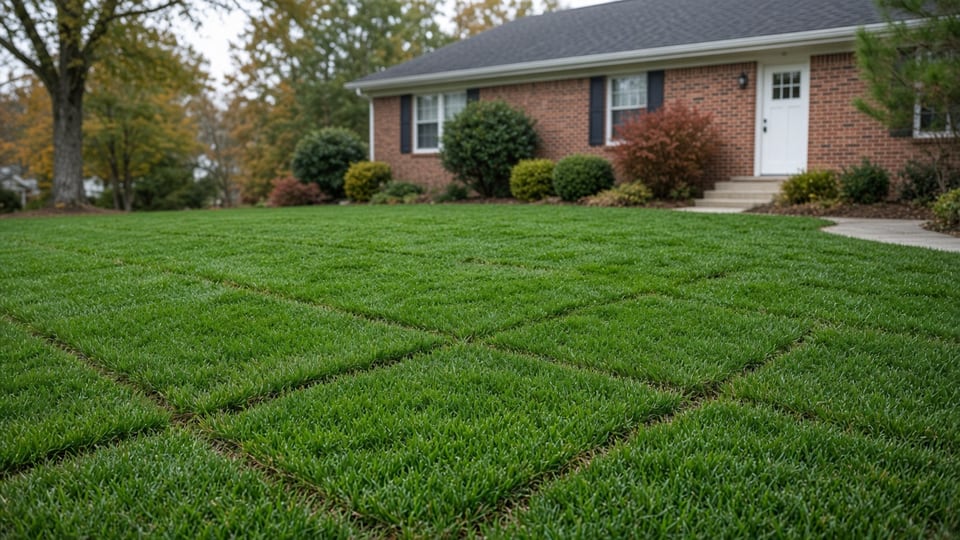
The first three weeks are the most critical time for your new lawn. In the Triangle's hot Piedmont climate, success means deep watering that keeps the top 3–4 inches of soil beneath the sod consistently damp — not a parade of shallow spritzes that never reach the roots.
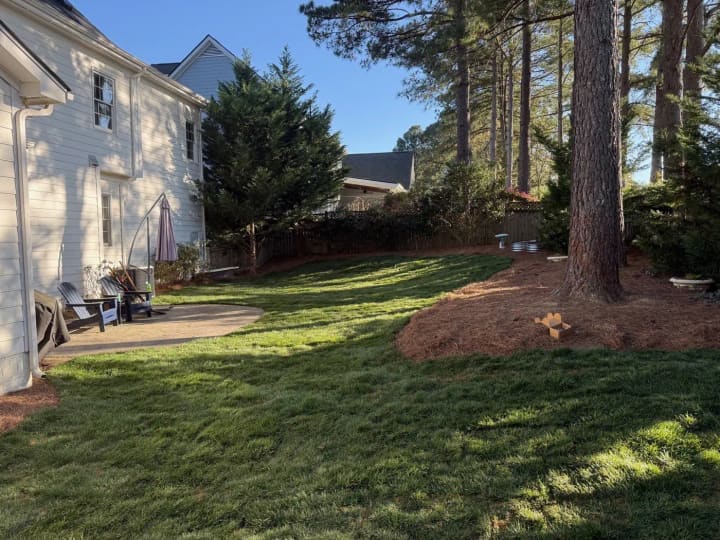
The Critical Establishment Timeline
Day 1: Arrival & First Soak
Once the sod is installed, the goal is a deep soak that wets the soil beneath the sod — not just the blades on top.
- Deep soak on install day: Professional installers generally handle day-1 watering; DIY installers should water each section as it's down rather than waiting for the whole project to finish.
- Check the edges: Borders, seams, and slopes dry out first. Hand-water any thin spots your sprinkler misses.
- Depth check: Lift a corner — the soil beneath should be dark and moist. A slight squish underfoot on day one is a good sign you reached the root zone.
Days 2–7: Keep the Root Zone Damp
Week one is about keeping the full root zone damp. That requires at least one deep soak per day that wets the top 3–4 inches of soil — plus a lighter second pass on hot days to protect edges and seams. Several shallow spritzes that never penetrate won't do the job.
- Morning deep soak (~7:30 AM): This is the main event — run long enough to wet the top 3–4 inches of soil beneath the sod. Lift a corner to check: soil should be dark and moist, not dusty. On Triangle clay, use cycle-and-soak (run until runoff, wait 30–45 minutes, run again) rather than shortening every cycle.
- Lighter second pass (same day): Warm-season lawns (Bermuda, Zoysia, Centipede) benefit from a 7:30 PM top-up focused on edges, seams, and sunny slopes — shorter than the morning soak. Tall fescue prefers a 1:30 PM midday check instead of evening watering; moist soil matters more than wet blades overnight.
- Walking on new sod: Light foot traffic is fine — move sprinklers, check coverage, press lifting seams. Walk gently, avoid pivoting or sharp turns that can shift pieces, and step on edges that aren't making soil contact. Save heavy traffic, pets, and equipment for after the tug test.
- Watch for stress: Grayish-blue tints, curling blades, or lifting seams mean add water now — don't wait for the next timer cycle.
Days 8–14: Transition to Deep, Less Frequent Watering
Roots should be knitting into your soil. Shift toward one deep morning soak (~7:30 AM) that penetrates without keeping the canopy wet all day while prepping to space out week three runs.
- The tug test: Gently pull up on a corner. Resistance means the roots are working.
- One deep cycle: Longer morning runs, fewer times per day. Back off if soil stays squishy; increase if blades gray or seams lift.
- First mow: If it passes the tug test and is getting shaggy (over 4"), you can do your first mow (set the deck high!).
Days 15–21: Let the Roots Sink
With the root system now gripping, begin spacing those morning soaks so the soil can dry slightly between runs — still stay ahead of lifting seams and dry patches.
- Every-other-day morning soak (~7:30 AM): Deeply wet the top 3–4 inches of soil, but skip a cycle if it still feels damp. Focus on edges that dry faster and avoid leaving the canopy wet all day.
- Midweek moisture check: Walk the lawn with a hand nozzle or hose end. Touch up only where seams lift or the root zone feels dry — more water hurts once the sod is beginning to establish.
- Prepare for maintenance: Once the tug test is consistent and seams stay flat, transition into your normal watering/mowing routine and use the calendar reminders for mow + fertilizer windows beyond Day 21.
Beyond Day 21
Transition to a standard maintenance schedule. See our Sod Care Essentials guide for long-term health.
Clay around here
Wake and Durham yards sit on Piedmont clay that sheds water until it is soaked, then holds it. Cycle-and-soak (run until runoff, wait 30–45 minutes, run again) beats one long flood that sheets into the street. Edges, south faces, and against driveways dry first — those get the extra hose pass, not a second full-yard cycle.
Need sod — or already installed?
Common Questions
What if some pieces look yellow after installation?
Some yellowing — even a little browning — is normal after harvest, transport, and install. A little stress damage is unavoidable; the grass will recover and thrive with proper deep watering. If whole sections yellow after day 5, check that the soil beneath is staying consistently moist — dehydration is the most common cause.
What if I see gaps opening between pieces?
Gaps are a sign of dehydration — the sod is shrinking as it dries. Increase your deep watering immediately. You can fill large gaps with a little topsoil or sand once the pieces have re-hydrated and settled.
When is it safe to walk on new sod?
Light foot traffic is fine from day one — no boards required. Walk gently, avoid pivoting or sharp turns that can shift the sod, and step on edges or seams that aren't making good soil contact to help them knit. Save heavy traffic, pets, and equipment until the tug test shows roots are anchored (usually around day 10–14) and let the lawn settle through day 21.
Can I fertilize new sod during the first two weeks?
Generally, no — skip heavy nitrogen during the first 30–60 days. The grass is focused on root establishment, not top growth. A light starter fertilizer with phosphorus can go down on bare soil before installation, but wait until the grass is actively growing and has passed the tug test before any nitrogen application. See our lawn nutrients guide for timing and product details.
How much water does new sod need each day?
Enough to keep the top 3–4 inches of soil under the sod dark and moist — not a clock time. On clay that often means one long morning cycle-and-soak plus a shorter edge pass on hot afternoons. If water runs off immediately, stop, wait 30–45 minutes, then continue. Lift a corner: dusty soil means you are watering too little; squishy all day means too much.
Will Piedmont clay make new sod fail?
Clay is workable if the crown sits slightly high and water soaks in instead of pooling. Standing water in low spots is the usual killer. Fill or regrade puddles, use cycle-and-soak, and do not bury the sod edges under extra topsoil. See our soil and drainage guides if water sits more than a few hours after a soak.
Can dogs go on new sod?
Light walking is fine. Heavy play, digging, and urine spots in week one will thin seams. Walk pets on a path or old lawn until the tug test shows roots are holding (often day 10–14). Rinse urine with extra water the same day if you cannot keep them off.
Next step
Want a plan for your yard?
We match grass, prep, and watering to your site—not a one-size-fits-all offer.